



































66 Retirement Living and Retirement Villages in Central Coast, NSW
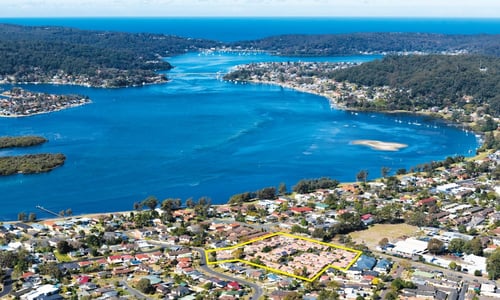
Central Coast offers access to 66 retirement villages and over-55 living options, making it one of NSW’s most established coastal retirement markets for people who want both lifestyle appeal and practical convenience. For retirees comparing retirement living in NSW, the region stands out for its mild climate, strong healthcare access, direct transport connections and more relaxed pace than Sydney.
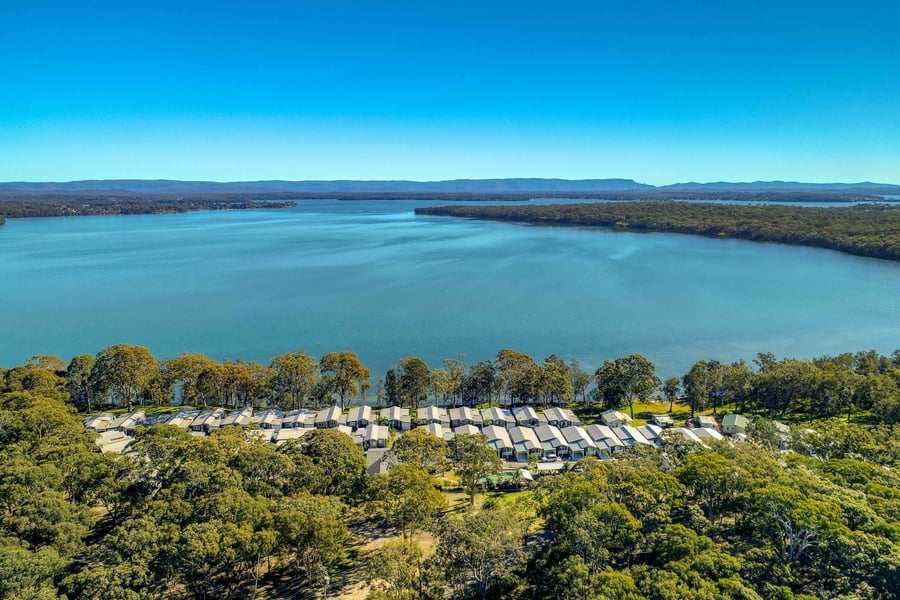
From Gosford and Erina to Woy Woy, Umina Beach, Terrigal, Bateau Bay and Wyong, the Central Coast gives retirees a broad mix of lifestyle settings, from waterfront communities to practical inland service centres. Villages.com.au helps you compare local communities, village types and lifestyle features in one place so you can research with more confidence.
Living in Central Coast - A Retiree’s Guide
Key Areas
The Central Coast includes several distinct local hubs, each with a slightly different retirement appeal:
Gosford and Erina: major commercial, healthcare and shopping hubs with strong access to everyday services
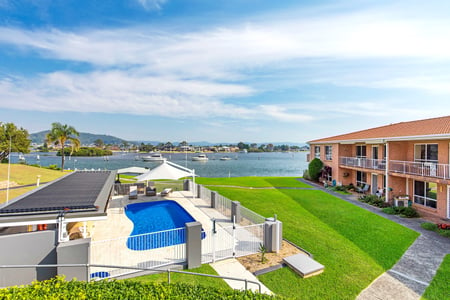
Woy Woy and Umina Beach: waterfront communities with a relaxed pace, established local amenity and strong retiree appeal
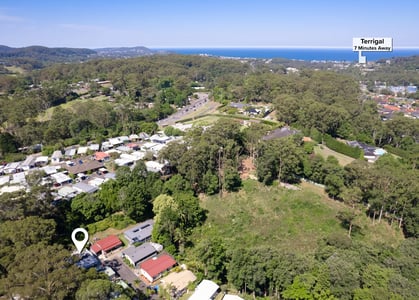
Terrigal and Avoca Beach: premium coastal suburbs with beaches, cafés and a more lifestyle-led atmosphere
Bateau Bay and surrounding coastal communities: practical access to beaches, shopping and established retirement options
Wyong and Tuggerah: inland service centres with major retail, road and rail connections
Compared with Sydney, the Central Coast often feels less congested, more coastal and generally more affordable. Within the region, Woy Woy may suit retirees seeking quieter waterfront living, while Terrigal offers a more active coastal environment that can come with higher property prices.
Climate & Lifestyle
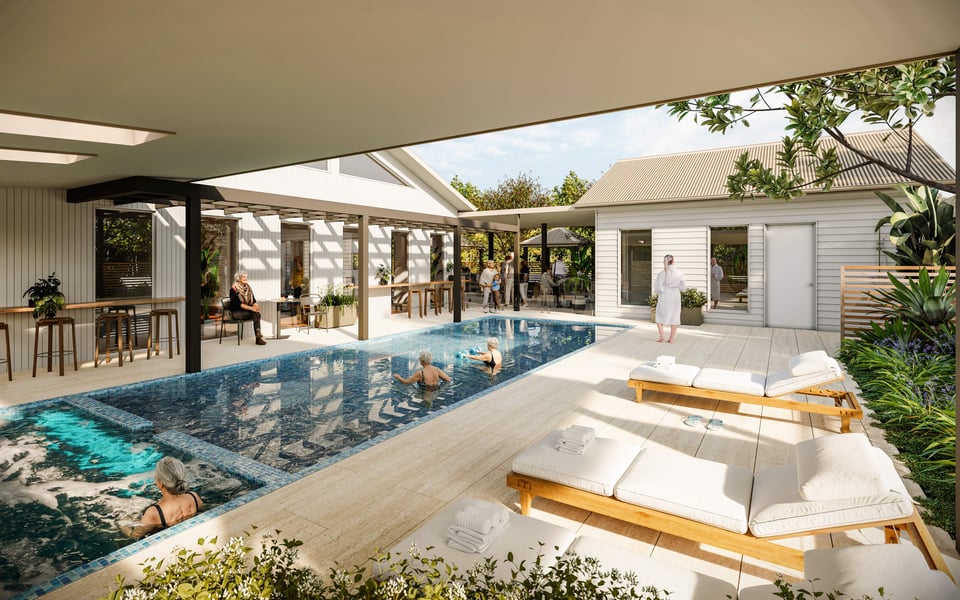
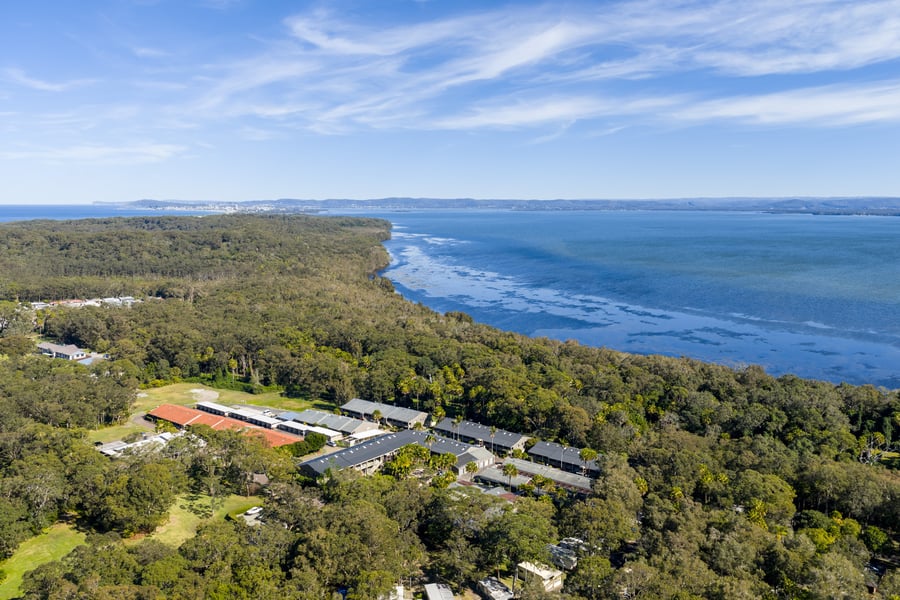
For many retirees, the Central Coast lifestyle is the main drawcard. The region combines a mild coastal climate with beaches, waterways, bushland, golf courses and established town centres that support outdoor living throughout much of the year.
Lifestyle highlights include:
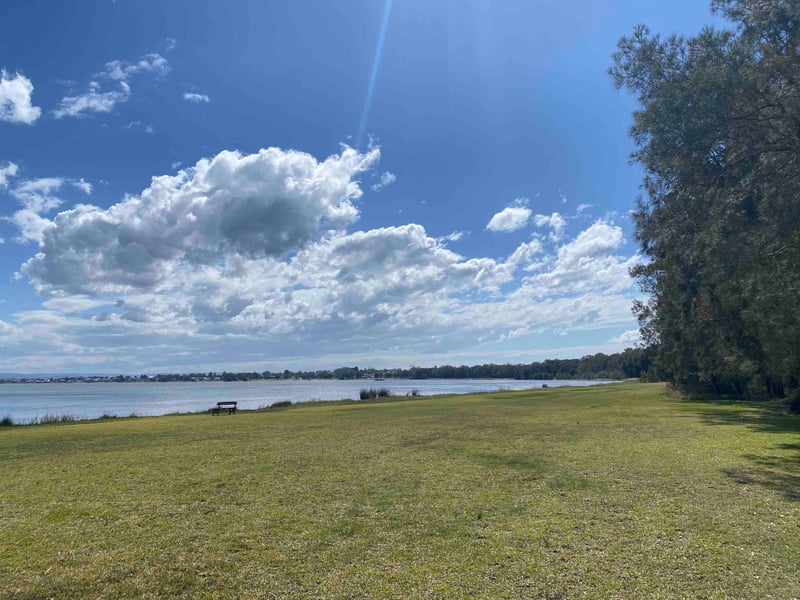
Beaches, waterfront reserves and foreshore walks
Scenic bushland tracks and national parks
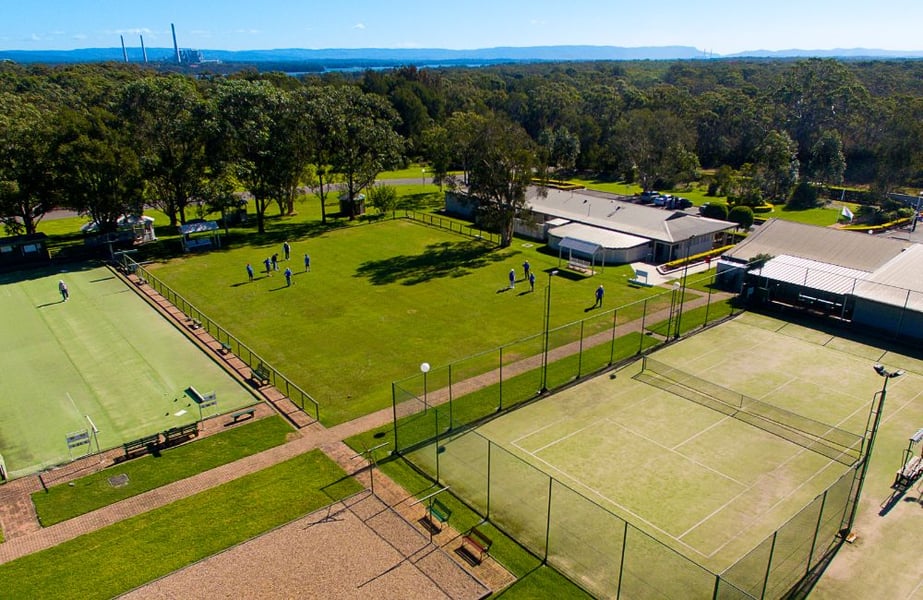
Golf courses, bowls clubs and community facilities
Cafés, shopping precincts and local social activities
Boating, fishing and other low-impact outdoor recreation
This mix supports active, social retirement living without giving up access to practical services. The broad range of coastal and inland settings also allows retirees to choose between busier lifestyle centres and quieter residential communities.
Getting Around
Transport and access matter in retirement, and the Central Coast performs strongly for a broad coastal region.
Rail services connect centres such as Gosford, Woy Woy and Wyong with Sydney and Newcastle
Local bus networks connect residential suburbs with shopping centres, hospitals and transport hubs
The M1 Pacific Motorway provides direct road access toward Sydney and Newcastle
Eligible seniors using a Gold Opal card can benefit from the $2.50 daily cap across standard Opal services
Many retirement communities are located close to local shops, medical centres and everyday services
Travel times to Sydney vary depending on the departure point and service, but direct rail and motorway connections make family visits, specialist appointments and occasional city trips practical. For retirees who want independence without feeling isolated, the region offers a useful balance between coastal lifestyle and accessibility.
Healthcare Access
Healthcare access is one of the Central Coast’s practical strengths. Residents benefit from proximity to Gosford Hospital, Wyong Hospital, private hospitals and a broad network of local GPs, pharmacies, specialists and allied health providers.
Key advantages include:
Gosford Hospital as the region’s major public hospital and specialist-care anchor
Wyong Hospital supporting residents across the northern Central Coast
Private hospital and specialist services around Gosford and nearby suburbs
Local medical centres and allied health services across major coastal and inland communities
Referral access to larger hospital networks in Sydney and Newcastle when required
That combination can make Central Coast retirement living feel both secure and highly practical over the long term, especially for retirees who want coastal surroundings without losing access to essential medical services.
Understanding Retirement Living in NSW
If you are comparing retirement living on the Central Coast, it is important to look beyond the entry price alone. Retirement villages in NSW are governed by the Retirement Villages Act 1999 and the Retirement Villages Regulation 2025, which set out disclosure rules, contract requirements and resident protections.
NSW prospective residents should review the general inquiry document and disclosure statement carefully before committing. These documents include the average resident comparison figure, or ARCF, which uses a standardised method to help compare the likely ongoing and exit costs of one village with another.
Contract structures can vary between villages. Depending on the arrangement, residents may enter under a licence-to-occupy, leasehold, strata or another contractual model. A licence-to-occupy arrangement generally provides the right to live in a home without transferring conventional property ownership, while leasehold and strata arrangements create different legal and financial obligations.
Residents may pay an ingoing contribution, recurrent charges and a deferred management fee or exit fee when they leave. Ongoing charges commonly contribute to village operations, shared facilities, maintenance and services, while exit fees can materially affect the amount returned to the resident.
Some retirement village arrangements may have lower entry costs than purchasing a conventional home in Sydney, but this does not automatically mean the overall arrangement will cost less. Stamp duty treatment also depends on the tenure and legal structure, so it should not be assumed that stamp duty will or will not apply.
Operators must maintain a 10-year asset management plan and make it available for inspection. For larger or more established Central Coast villages, this can provide valuable visibility over planned maintenance, capital replacement and how future works may affect village costs.
NSW residents generally have a cooling-off period of seven business days after signing a retirement village contract. Because tenure, ongoing charges and exit outcomes differ between villages, independent legal and financial advice is important before committing. Comparing the complete fee and rights structure is usually more useful than focusing only on the initial entry payment.